


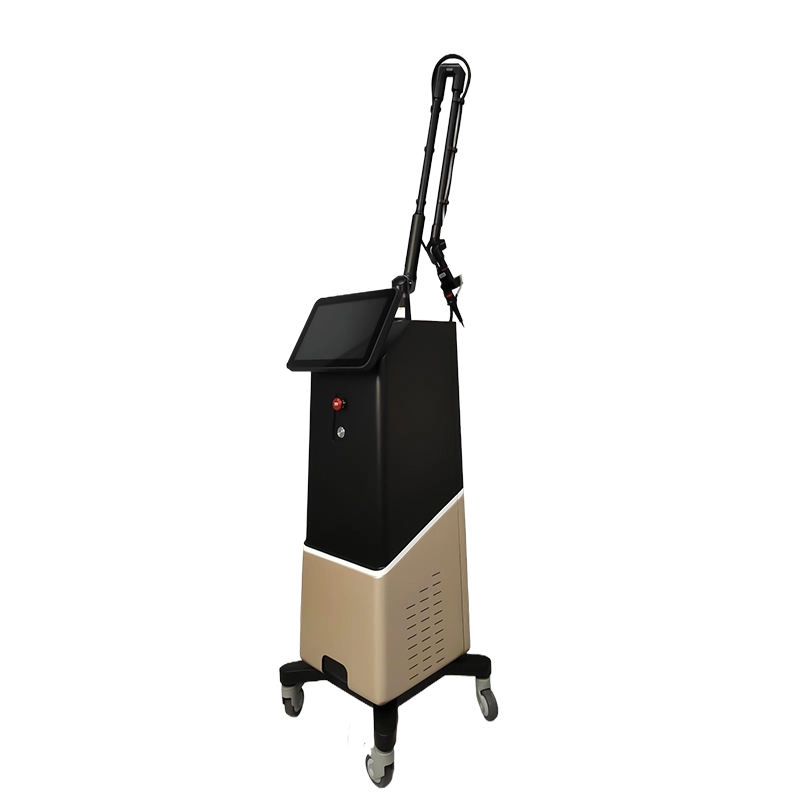
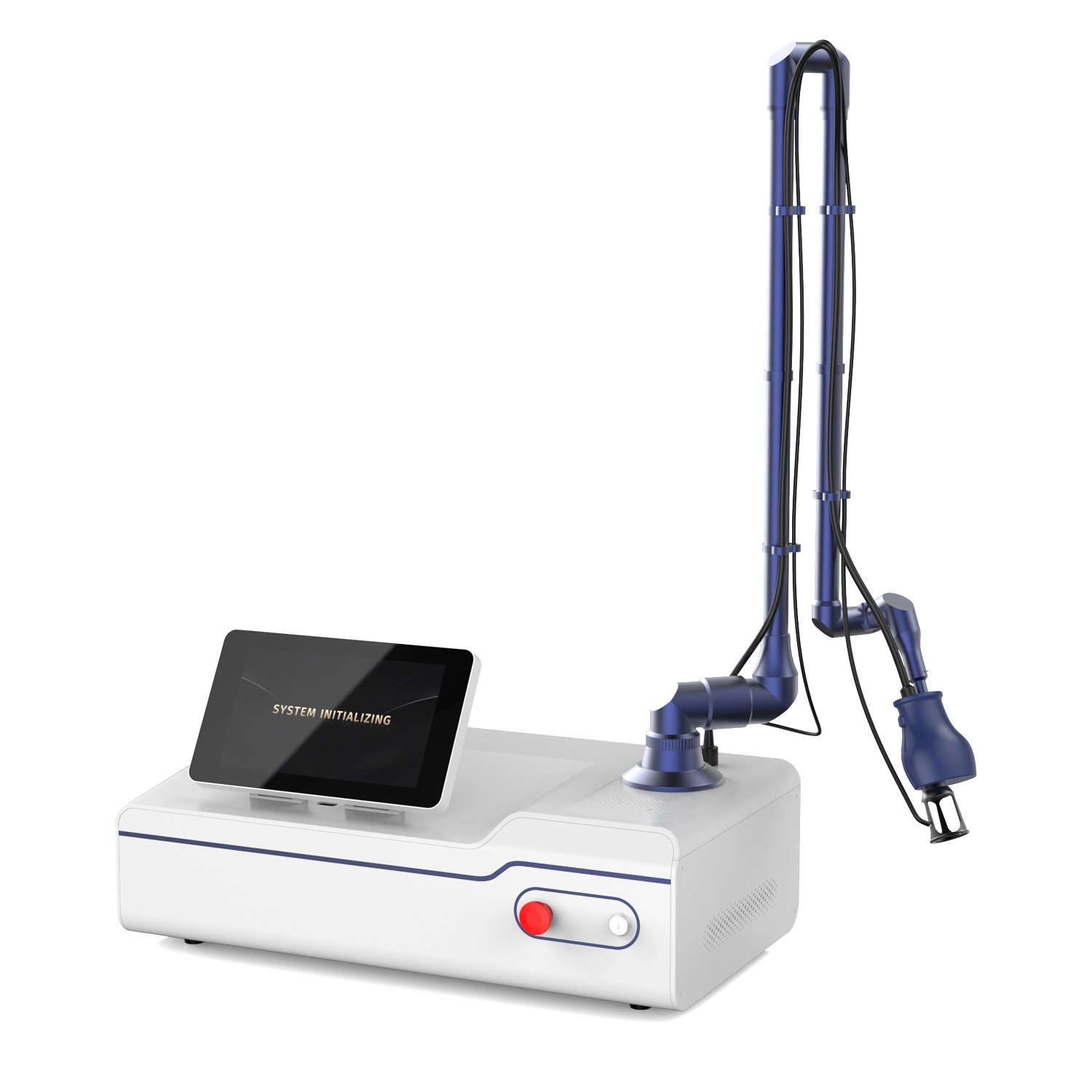
- Beyond traditional resurfacing, what are the specific, often overlooked clinical applications of a CO2 fractional laser machine, and what advanced techniques are required for optimal results in these areas?
- How do different CO2 fractional laser scanner technologies (e.g., random vs. sequential scanning, spot size variability) directly impact treatment precision, patient comfort, and the ability to customize for diverse skin conditions and depths?
- What are the critical long-term operational costs and common technical pitfalls associated with owning a CO2 fractional laser machine (beyond initial purchase), and what proactive strategies can mitigate these for a new clinic?
- What specific, verifiable training certifications and ongoing education are essential for CO₂ laser operators to ensure both patient safety and superior aesthetic outcomes, and how can clinics vet these programs effectively?
- How do integrated cooling systems and advanced pain management protocols within a CO2 fractional laser machine design significantly influence patient experience, compliance, and the overall efficacy of aggressive treatments?
- What are the latest innovations in CO2 fractional laser technology that genuinely reduce post-treatment downtime and minimize complications, and what specific features should a buyer prioritize to leverage these advancements?
What training certifications should operators hold for CO₂ lasers?
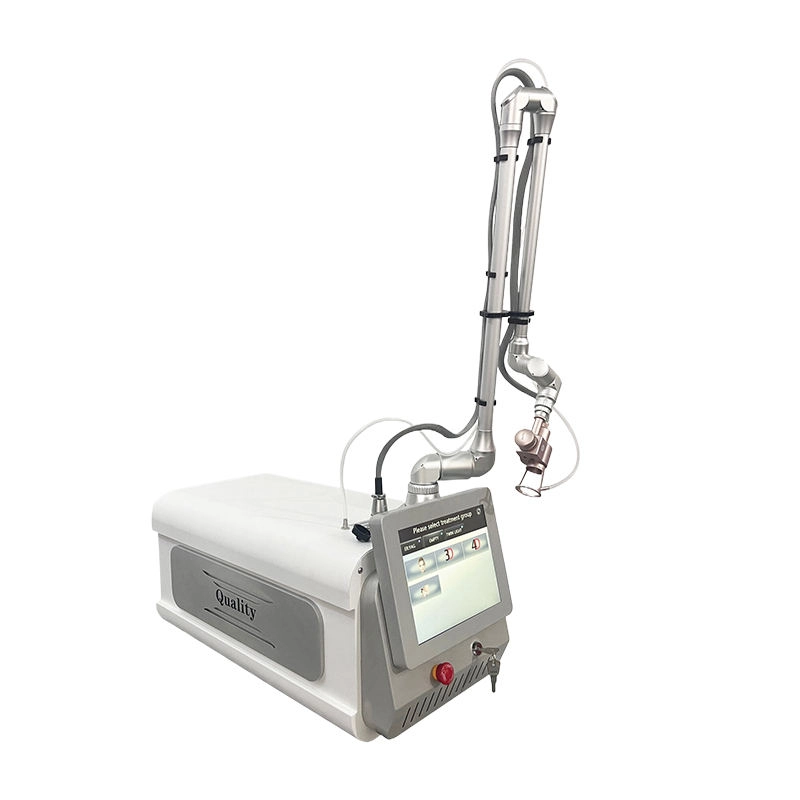
As a professional in the aesthetic industry, investing in a CO₂ fractional laser machine is a significant decision. This powerful skin resurfacing laser offers unparalleled results for various conditions, but understanding its nuances, operational demands, and operator training requirements is crucial. Many beginners face a sea of information, often outdated or superficial. This guide aims to provide in-depth, expert answers to your most pressing, pain-point-oriented questions, helping you make an informed choice and ensure the highest standards of safety and efficacy.
Beyond traditional resurfacing, what are the specific, often overlooked clinical applications of a CO2 fractional laser machine, and what advanced techniques are required for optimal results in these areas?
While widely known for wrinkle reduction and comprehensive skin tightening, the CO₂ fractional laser machine boasts a broader spectrum of applications often overlooked by new clinics. Beyond full-face ablative laser resurfacing, advanced uses include:
- Scar Revision (Acne Scars, Surgical Scars, Traumatic Scars): The precision of fractional CO₂ allows for targeted treatment of deep acne scars and other types of scar revision. Advanced techniques involve varying treatment depths and densities, often combining with subcision or filler for optimal results. For hypertrophic or keloid scars, the laser can flatten and soften tissue, improving texture and appearance. Operators must master energy settings and pulse durations to avoid hyperpigmentation, especially in darker skin types.
- Stretch Mark Treatment (Striae Distensae): CO₂ fractional lasers can significantly improve the texture and color of stretch marks by stimulating collagen and elastin production. This requires careful parameter selection, often using lower energy settings and multiple passes to avoid excessive downtime and post-inflammatory hyperpigmentation (PIH). It’s a delicate balance between efficacy and minimizing side effects.
- Pigmented Lesion Removal (Actinic Keratoses, Seborrheic Keratoses, Certain Nevi): With precise spot sizes and short pulse durations, the CO₂ laser can effectively ablate superficial benign lesions. This demands meticulous technique, often requiring local anesthesia and a thorough understanding of lesion characteristics to differentiate from malignant growths. This is a medical procedure requiring a qualified practitioner.
- Vulvovaginal Rejuvenation: A growing application involves treating issues like vaginal laxity, dryness, and mild stress urinary incontinence by stimulating collagen remodeling in the vaginal canal. This requires specialized handpieces and specific training, falling under the scope of gynecological or urogynecological practice.
Optimal results in these areas hinge on advanced operator expertise, including precise patient selection, understanding of tissue response, and mastery of varied treatment depth and density settings. It often involves a series of treatments and combination therapies.
How do different CO2 fractional laser scanner technologies (e.g., random vs. sequential scanning, spot size variability) directly impact treatment precision, patient comfort, and the ability to customize for diverse skin conditions and depths?
CO₂ fractional laser scanner technology is a critical determinant of treatment quality. The scanner dictates how the laser energy is delivered to the skin, creating microscopic treatment zones (MTZs). Key differences include:
Scanning Patterns (Random vs. Sequential):
- Sequential Scanning: Delivers laser pulses in a fixed, orderly pattern. While predictable, it can lead to a 'stacking' of thermal energy in adjacent areas, potentially causing more discomfort, higher risk of PIH, and less even treatment, especially at higher densities.
- Random Scanning (or 'SmartScan'): Delivers pulses in a non-sequential, scattered pattern across the treatment area. This allows for greater thermal relaxation time between adjacent pulses, significantly improving patient comfort, reducing the risk of overheating, and leading to more uniform energy distribution. This translates to safer treatments, especially for sensitive areas or darker skin types, and often faster healing.
Spot Size Variability:
- Machines offering variable spot size (e.g., 80-1200 microns) provide immense customization. Smaller spot sizes allow for very precise, superficial ablation, ideal for fine lines or delicate areas like the eyelids. Larger spot sizes penetrate deeper, delivering more bulk heating and are effective for deeper wrinkles, scar revision, or greater skin tightening. The ability to adjust spot size allows practitioners to tailor treatments precisely to the specific skin condition, lesion, and desired treatment depth, optimizing efficacy and minimizing collateral damage.
Pulse Duration and Shape: Modern fractional CO2 technology often features ultra-short pulse durations (e.g., ultrapulse, superpulse). Shorter pulses deliver energy more efficiently, minimizing thermal damage to surrounding tissue, which reduces downtime and improves safety. Advanced pulse shapes (e.g., 'stacked' pulses) can deliver more energy to deeper tissues while protecting the epidermis, enhancing collagen remodeling with less surface trauma.
These technological advancements directly influence the operator's ability to achieve precise, customized results while maximizing patient comfort and minimizing downtime and complications. When evaluating an aesthetic clinic equipment purchase, inquire deeply about the scanner's capabilities and pulse characteristics.
What are the critical long-term operational costs and common technical pitfalls associated with owning a CO2 fractional laser machine (beyond initial purchase), and what proactive strategies can mitigate these for a new clinic?
Beyond the initial investment, owning a CO₂ fractional laser machine involves several long-term operational costs and potential technical pitfalls that new clinics must anticipate:
- Consumables: These include disposable tips (single-use for hygiene and efficacy), specialized protective eyewear for both patient and operator, and post-treatment care products. While individual tips might seem inexpensive, they add up significantly over time. Proactive strategy: Factor consumable costs into your treatment pricing and explore bulk purchasing options from reputable suppliers.
- Maintenance and Service Contracts: CO₂ lasers require regular maintenance, including calibration, optical alignment, and lamp replacement (if applicable). A comprehensive service contract is highly recommended, typically costing 10-15% of the machine's purchase price annually. Technical pitfalls: Neglecting routine maintenance can lead to decreased efficacy, inconsistent energy delivery, and premature component failure. Proactive strategy: Always negotiate a robust service agreement with the manufacturer or distributor, ensuring timely access to certified technicians and genuine spare parts. Understand the warranty terms thoroughly.
- Replacement Parts: Components like the laser tube, mirrors, or power supply can degrade over time. These are often expensive. Technical pitfalls: Using non-OEM (Original Equipment Manufacturer) parts can void warranties and compromise safety and performance. Proactive strategy: Maintain a good relationship with your supplier and ensure they stock genuine replacement parts. Budget for potential major component replacements within the machine's lifespan (typically 5-10 years).
- Software Updates and Upgrades: As technology evolves, software updates might be necessary for optimal performance or to unlock new features. Proactive strategy: Inquire about the manufacturer's policy on software updates – are they included in the service contract or an additional cost?
- Calibration and Quality Assurance: Regular calibration checks are essential to ensure the laser is delivering the specified energy. Technical pitfalls: Inaccurate calibration can lead to ineffective treatments or, worse, patient injury. Proactive strategy: Implement daily or weekly internal quality checks as per the manufacturer's guidelines and ensure annual professional calibration.
Mitigation strategies include thorough due diligence on the manufacturer's post-sales support, budgeting for ongoing costs, and comprehensive laser device maintenance protocols.
What specific, verifiable training certifications and ongoing education are essential for CO₂ laser operators to ensure both patient safety and superior aesthetic outcomes, and how can clinics vet these programs effectively?
CO₂ laser operator training and certification are paramount for patient safety and achieving superior aesthetic outcomes. Requirements vary significantly by region and country, but generally, operators must possess a strong foundation in medical aesthetics and specialized laser training.
Essential Training & Certifications:
- Medical/Clinical Background: In many jurisdictions, operating a CO₂ fractional laser machine requires a licensed medical professional (e.g., physician, registered nurse, physician assistant). Non-medical personnel may operate under direct supervision, depending on local regulations. This foundational knowledge is critical for patient selection, understanding contraindications, and managing potential complications.
- Core Laser Safety Training: This is non-negotiable. Operators must complete a comprehensive laser safety protocols course, often leading to a Certified Laser Safety Officer (CLSO) or Laser Safety Specialist (LSS) designation. This covers laser physics, tissue interaction, hazard control, and regulatory compliance (e.g., ANSI Z136 standards in the US). This training ensures understanding of appropriate protective eyewear, room setup, and emergency procedures.
- Device-Specific Training: Every CO₂ fractional laser model has unique features and operational parameters. Manufacturers typically provide hands-on training upon purchase. This training is crucial for mastering the specific machine's interface, handpieces, energy settings, and treatment protocols. This is often the first step in aesthetic laser certification for a new device.
- Advanced Clinical Application Training: Beyond basic operation, specialized courses focus on advanced techniques for scar revision, pigment removal, skin tightening, and other specific indications. These programs often include practical sessions, case studies, and discussions on managing complications and optimizing results for diverse skin types (Fitzpatrick scale).
- Anatomy and Physiology of the Skin: A deep understanding of skin layers, healing processes, and potential responses to laser energy is fundamental for safe and effective treatments. This knowledge informs treatment planning and post-care instructions.
Vetting Training Programs Effectively:
- Accreditation and Recognition: Look for programs accredited by recognized medical or aesthetic boards, professional organizations (e.g., American Society for Laser Medicine and Surgery - ASLMS, National Council on Laser Certifications - NCLC).
- Instructor Qualifications: Ensure instructors are experienced, board-certified medical professionals with extensive practical experience in dermatological laser procedures.
- Curriculum Depth: The program should cover laser physics, safety, patient assessment, treatment protocols, complication management, and hands-on practice with the specific fractional CO2 technology.
- Hands-on Experience: Practical training on live models or simulators is essential for developing proficiency and confidence.
- Continuing Education: The field of medical aesthetic training is constantly evolving. Operators should engage in ongoing education through workshops, conferences, and advanced courses to stay updated on best practices and new technologies.
Always verify local regulations for CO₂ laser operator training as they supersede general recommendations. Investing in proper training is an investment in your clinic's reputation and patient well-being.
How do integrated cooling systems and advanced pain management protocols within a CO2 fractional laser machine design significantly influence patient experience, compliance, and the overall efficacy of aggressive treatments?
Patient comfort is paramount for compliance and successful outcomes, especially with CO₂ fractional laser treatments, which can be intense. Integrated cooling systems and advanced pain management protocols play a vital role:
Integrated Cooling Systems (e.g., Cryo-cooling, Air Cooling):
- Mechanism: These systems deliver chilled air or contact cooling to the skin surface before, during, and immediately after laser pulse delivery. This pre-cooling and post-cooling significantly reduces the sensation of heat and pain.
- Impact on Patient Experience: By keeping the epidermis cooler, patients experience less discomfort, burning sensation, and overall pain. This allows for higher energy settings and more aggressive treatments without compromising patient tolerance. It also reduces erythema (redness) and swelling post-procedure.
- Impact on Compliance: Patients who experience less pain are more likely to complete their full course of treatments and return for follow-up sessions, directly improving patient compliance and the clinic's ROI for laser equipment.
- Impact on Efficacy: By mitigating thermal injury to the superficial skin layers, cooling allows the laser to penetrate effectively to the desired depth for collagen remodeling and scar revision without causing excessive epidermal damage, thus reducing the risk of PIH, especially in darker skin types. This enables more effective treatment of deep wrinkles and scars.
Advanced Pain Management Protocols:
- Topical Anesthetics: High-potency topical numbing creams applied 30-60 minutes before treatment are standard. The efficacy of these creams can be enhanced by occlusive dressings.
- Nerve Blocks/Local Injections: For more aggressive treatments or sensitive areas (e.g., around the mouth or eyes), regional nerve blocks or local anesthetic injections can provide profound pain relief, making the procedure virtually painless.
- Sedation: In some cases, oral anxiolytics or mild sedatives may be offered, especially for patients with high anxiety or for full-face ablative treatments. This requires medical supervision.
- Nitrous Oxide (Laughing Gas): In-office delivery of nitrous oxide provides immediate, short-acting analgesia and anxiolysis, which can be very effective for managing discomfort during the procedure.
These combined strategies ensure that even aggressive fractional CO2 technology treatments are tolerable, leading to better patient satisfaction, adherence to treatment plans, and ultimately, superior aesthetic results with reduced downtime and complications.
What are the latest innovations in CO2 fractional laser technology that genuinely reduce post-treatment downtime and minimize complications, and what specific features should a buyer prioritize to leverage these advancements?
The ongoing evolution of CO₂ fractional laser machine technology is heavily focused on enhancing efficacy while significantly reducing post-treatment downtime and minimizing complications. Buyers should prioritize machines incorporating these key innovations:
Ultra-Short Pulse Durations (e.g., Picosecond/Femtosecond CO₂ Lasers - though rare, nanosecond is common): While true picosecond CO₂ is still emerging, many advanced fractional CO2 technology systems now offer pulse durations in the nanosecond to microsecond range (e.g., ultrapulse, superpulse). Shorter pulses deliver energy more precisely and rapidly, creating a cleaner ablation with minimal thermal damage to surrounding tissue. This reduces inflammation, erythema, and the overall healing time, leading to genuinely shorter downtime and a lower risk of PIH.
- Buyer Priority: Look for systems explicitly touting 'ultrapulse' or 'superpulse' capabilities with demonstrated clinical data for reduced thermal spread and faster healing.
Advanced Scanner Designs with Random/SmartScan Patterns: As discussed, scanners that deliver pulses in a non-sequential, randomized pattern prevent heat accumulation, leading to a more comfortable treatment, reduced post-treatment swelling, and faster recovery. This is a significant advancement over older, sequential scanning systems.
- Buyer Priority: Prioritize machines with 'random scan,' 'smart scan,' or similar proprietary technologies that ensure even energy distribution and thermal relaxation.
Fractional Handpieces with Adjustable Spot Sizes and Densities: The ability to precisely control the microscopic treatment zones (MTZs) – their size, depth, and density – allows for highly customized treatments. This means operators can use less aggressive settings for superficial concerns and more aggressive settings for deeper issues, without overtreating healthy tissue. This precision directly translates to optimized healing and reduced complications.
- Buyer Priority: Seek out systems offering multiple handpieces or a single handpiece with broad adjustability for spot size and treatment density, allowing for a tailored approach to various skin conditions and anatomical areas.
Integrated Cooling and Real-Time Temperature Monitoring: Beyond external cooling, some advanced systems incorporate internal cooling mechanisms or real-time skin temperature feedback loops. These features further protect the epidermis, enhance patient comfort, and allow for more aggressive treatments with a reduced risk of thermal injury and subsequent complications like blistering or PIH.
- Buyer Priority: Look for integrated cooling solutions (e.g., cryo-air delivery) and, if available, systems with temperature monitoring capabilities.
User-Friendly Interfaces and Pre-set Protocols: While not directly a technological innovation in laser delivery, intuitive software with scientifically validated pre-set protocols simplifies operation, reduces human error, and ensures consistent, safe treatments. This is especially beneficial for new operators, minimizing the learning curve and risk of complications.
- Buyer Priority: Evaluate the user interface during demonstrations. Is it intuitive? Does it offer customizable and evidence-based pre-set protocols?
By prioritizing these features, clinics can acquire a CO₂ fractional laser machine that delivers superior clinical outcomes with significantly improved patient experience and recovery profiles, enhancing both patient satisfaction and clinic efficiency.
Investing in a CO₂ fractional laser machine is a strategic move for any aesthetic practice aiming to offer advanced skin resurfacing, scar revision, and skin tightening treatments. By understanding the nuances of scanner technology, prioritizing comprehensive CO₂ laser operator training, anticipating long-term operational costs, and embracing the latest innovations, you can ensure your clinic provides safe, effective, and cutting-edge treatments. The advantages of modern fractional CO2 technology – from enhanced precision and reduced downtime to superior patient comfort and broader application versatility – make it an indispensable tool for achieving remarkable aesthetic transformations.
Ready to elevate your practice with a state-of-the-art CO₂ fractional laser machine? Contact us today for a personalized quote and expert consultation.
Website: www.huimainbeauty.comEmail: coco@huimainbeauty.com


VM-2
What is Cryolipolysis Cryotherapy Fat Freezing Machine?
It is a non-invasive body slimming device that freezes fat cells using cryotherapy, allowing the body to naturally eliminate them.
EMS + Cryo Slimming Machine
What is an EMS + Cryo Slimming Machine?
An EMS + Cryo Slimming Machine combines two powerful body contouring technologies — Electrical Muscle Stimulation (EMS) and Cryolipolysis (fat freezing) — to deliver a dual-action slimming effect. The EMS function stimulates deep muscle contractions to enhance tone and metabolism, while the cryo slimming technology freezes and breaks down stubborn fat cells without damaging surrounding tissues. It’s a non-invasive, safe, and effective solution for professional body contouring clinics and beauty salons.
cryolipolysis machine treatment
Should distributors and OEM buyers evaluate factories differently from clinics?
Yes. Clinics usually focus more on treatment usability, support, and service reliability. Distributors and OEM buyers also need to assess repeat-order consistency, branding options, packaging standards, and the factory’s ability to support long-term supply relationships.
HMT42-4
What is the main difference between this machine and other body sculpting devices?
Our EMSHAPE device combines both EMS and RF technologies, offering a simultaneous "muscle building and fat burning" effect. Many other machines only target one of these aspects, making our device a more efficient and comprehensive solution for clients seeking total body transformation.
HMC2S
How many sessions are needed to see results?
Most clients see improvement after 4–6 sessions, with optimal results after 6–10 sessions.

Get more information
If you have any comments or good suggestions, please leave us a message; later our professional staff will contact you as soon as possible.
Let's Talk
Stay in touch with us for cutting-edge beauty solutions, professional guidance, and customized service.
Contact


Room 307, Building A, Huilong International E-commerce Industrial Park, No. 10 Xipengling Road, Helong Street, Baiyun District, Guangzhou, China
© 2025 HUIMAIN. All Rights Reserved. Privacy Policy | Terms and Conditions | Sitemap
Facebook
Instagram
Medical beauty equipment factory
huimain Medical beauty equipment factory
beauty machine supplier
Whatsapp: +8619124004543