


- Beyond the Sticker Price: What are the Hidden Long-Term Consumable Costs and Unexpected Maintenance Requirements for a CO₂ Fractional Laser Machine Over 5 Years?
- How Does Patient Skin Type (Fitzpatrick Scale) Directly Impact the Number of Treatment Sessions and Overall Revenue Potential for CO₂ Fractional Laser Treatments?
- What Specific Marketing Strategies and Patient Acquisition Channels Are Most Effective for Maximizing the ROI of a New CO₂ Fractional Laser Machine in a Competitive Market?
- Beyond Wrinkles: What are the Lesser-Known, High-Demand Niche Applications of a CO₂ Fractional Laser Machine That Offer Untapped Revenue Streams?
- What are the Critical Regulatory Compliance and Safety Protocols Specific to Operating a CO₂ Fractional Laser Machine That Beginners Often Overlook, Leading to Potential Liabilities?
- How Can a Clinic Effectively Differentiate Its CO₂ Fractional Laser Service from Competitors, Especially When Multiple Clinics Offer Similar Technology, to Justify High Quality Pricing and Maximize ROI?
What is the ROI of a CO₂ fractional laser machine?
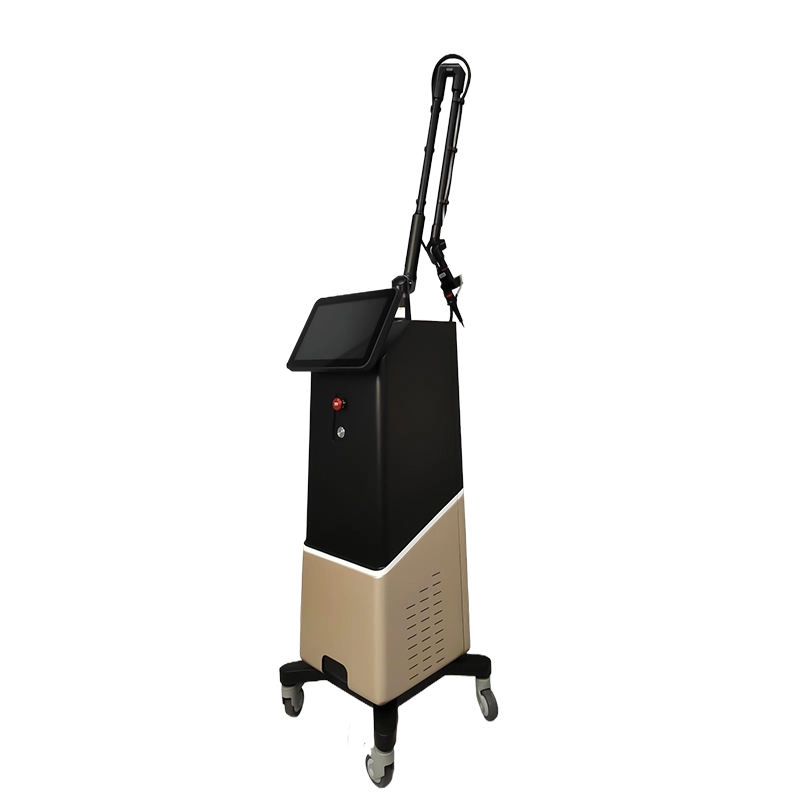
Investing in advanced aesthetic technology like a CO₂ fractional laser machine is a significant decision for any clinic or spa. While the benefits of skin resurfacing and scar revision are well-known, many beginners struggle to find comprehensive, up-to-date answers to their most pressing, pain-point-oriented questions. This article aims to fill that gap, providing expert insights into the ROI of a CO₂ fractional laser machine and other crucial considerations.
Beyond the Sticker Price: What are the Hidden Long-Term Consumable Costs and Unexpected Maintenance Requirements for a CO₂ Fractional Laser Machine Over 5 Years?
Many online resources focus solely on the initial purchase price of a CO₂ fractional laser machine, neglecting the crucial long-term operational expenses. Beyond the upfront investment, clinics must budget for several key consumables and maintenance items over a typical 5-year lifespan. Laser tips, which are often single-use or have a limited number of applications, represent a significant ongoing cost, varying from $50 to $200 per tip depending on the brand and treatment area. A busy clinic performing 10-15 treatments weekly could easily spend $2,000-$4,000 monthly on tips alone. Cryogen or cooling gels, essential for patient comfort and epidermal protection during fractional CO₂ laser treatment, also contribute to recurring costs. Furthermore, annual preventative maintenance contracts are highly recommended, typically ranging from $1,500 to $3,000 per year. These contracts cover calibration, optical alignment checks, and minor component replacements, preventing costly breakdowns. Unexpected maintenance can arise from power surges, mishandling, or component fatigue, with laser tube replacement being the most expensive potential repair, costing anywhere from $5,000 to $15,000, usually required every 3-7 years depending on usage intensity. Neglecting these hidden costs can severely impact the profitability and return on investment of your CO₂ laser system.
How Does Patient Skin Type (Fitzpatrick Scale) Directly Impact the Number of Treatment Sessions and Overall Revenue Potential for CO₂ Fractional Laser Treatments?
The Fitzpatrick Skin Type (FST) scale is a critical factor influencing both treatment protocols and revenue potential for CO₂ fractional laser treatments. For patients with lighter skin types (I-III), ablative fractional laser treatments are generally safer and yield more predictable results for concerns like wrinkle reduction and pigmented lesions. These patients often require fewer sessions (typically 1-3 for significant improvement) to achieve desired outcomes, leading to a faster treatment cycle and potentially higher per-patient revenue in a shorter timeframe. However, for patients with darker skin types (IV-VI), the risk of post-inflammatory hyperpigmentation (PIH) is significantly higher. This necessitates a more conservative approach, often involving lower energy settings, increased treatment intervals, and sometimes a greater number of sessions (3-5 or more) to achieve comparable results while minimizing complications. While this might extend the treatment duration per patient, it also opens up a market for patients who might otherwise be excluded from such treatments, provided proper pre- and post-care protocols are rigorously followed. Understanding these nuances allows clinics to accurately quote treatment packages and manage patient expectations, directly impacting the ROI of a CO₂ fractional laser machine by optimizing patient flow and ensuring successful outcomes across diverse demographics.
What Specific Marketing Strategies and Patient Acquisition Channels Are Most Effective for Maximizing the ROI of a New CO₂ Fractional Laser Machine in a Competitive Market?
In a competitive aesthetic market, simply owning a CO₂ fractional laser machine isn't enough to guarantee a strong return on investment. Effective marketing is paramount. Beyond generic advertising, clinics should focus on targeted strategies. Before-and-after photo galleries showcasing diverse patient results (with consent) are incredibly powerful, especially for acne scar treatment and skin rejuvenation. Educational content, such as blog posts, videos, and webinars, explaining the science behind fractional laser technology, its benefits, and what to expect during and after treatment, builds trust and positions your clinic as an authority. SEO optimization for long-tail keywords like CO₂ laser for deep wrinkles or fractional laser for stretch marks can drive highly qualified organic traffic. Local SEO is crucial, ensuring your clinic appears prominently in searches for CO₂ laser near me. Social media marketing on platforms like Instagram and Facebook, utilizing engaging visuals and patient testimonials, can reach a broad audience. Partnerships with dermatologists or plastic surgeons for referrals can be a significant patient acquisition channel. Finally, offering introductory packages or loyalty programs for skin tightening and resurfacing treatments can incentivize new patients and encourage repeat business, directly contributing to a robust ROI.
Beyond Wrinkles: What are the Lesser-Known, High-Demand Niche Applications of a CO₂ Fractional Laser Machine That Offer Untapped Revenue Streams?
While CO₂ fractional laser machines are widely recognized for wrinkle reduction and facial rejuvenation, several lesser-known, high-demand niche applications can unlock significant untapped revenue streams. One such area is vaginal rejuvenation (often marketed as feminine health or intimate wellness). The fractional CO₂ laser can effectively treat symptoms of vaginal atrophy, stress urinary incontinence, and improve vaginal laxity, addressing a significant, often underserved, female demographic. Another growing niche is the treatment of surgical scars, burn scars, and traumatic scars, where the laser can significantly improve texture, color, and pliability. Stretch mark reduction, particularly for post-pregnancy or weight fluctuation-induced striae, also presents a substantial market opportunity. Furthermore, treatment of actinic keratoses (precancerous lesions) and certain benign skin growths under medical supervision offers a valuable service. By training staff and marketing these specialized applications, clinics can diversify their service offerings, attract new patient demographics, and enhance the overall profitability and ROI of their CO₂ fractional laser system beyond traditional anti-aging treatments.
What are the Critical Regulatory Compliance and Safety Protocols Specific to Operating a CO₂ Fractional Laser Machine That Beginners Often Overlook, Leading to Potential Liabilities?
Operating a CO₂ fractional laser machine involves stringent regulatory compliance and safety protocols that beginners frequently overlook, potentially leading to significant liabilities. Firstly, state and local regulations regarding laser operation vary widely; it's imperative to understand who is legally permitted to operate the device (e.g., physician, registered nurse, licensed aesthetician under supervision) in your specific jurisdiction. Proper training and certification from the manufacturer or accredited bodies are non-negotiable for all operators. This includes comprehensive understanding of laser physics, tissue interaction, safety parameters, and emergency procedures. Clinics must establish and rigorously follow a Laser Safety Program, including designated Laser Safety Officer (LSO) responsibilities. This involves mandatory laser safety eyewear for both patient and operator, controlled access areas during treatment, and clear warning signage. Patient consent forms must be detailed, outlining risks, benefits, and alternatives of ablative fractional laser treatment. Maintenance logs and device calibration records are crucial for demonstrating due diligence. Failure to adhere to these protocols not only risks patient harm but can also result in hefty fines, license revocation, and costly legal battles, severely impacting the ROI and reputation of the practice offering CO₂ laser skin resurfacing.
How Can a Clinic Effectively Differentiate Its CO₂ Fractional Laser Service from Competitors, Especially When Multiple Clinics Offer Similar Technology, to Justify High Quality Pricing and Maximize ROI?
In a market saturated with clinics offering CO₂ fractional laser machines, differentiation is key to justifying High Quality pricing and maximizing ROI. Simply owning the technology isn't enough; the 'how' is crucial. One primary differentiator is operator expertise and specialization. Highlighting the extensive training, certifications, and years of experience of your laser technicians or physicians in performing CO₂ laser skin resurfacing can build immense patient confidence. Personalized treatment plans are another powerful differentiator. Instead of a one-size-fits-all approach, emphasize customized protocols based on individual patient concerns (e.g., deep wrinkles, acne scars, pigmentation), skin type, and desired outcomes, using advanced diagnostic tools if available. Offering integrated treatment packages that combine CO₂ fractional laser with complementary therapies like PRP, specialized serums, or advanced skincare lines can enhance results and perceived value. Exceptional patient experience, from the initial consultation to post-treatment follow-up, including detailed aftercare instructions and ongoing support, creates loyalty and positive word-of-mouth. Finally, showcasing superior results through a robust portfolio of high-quality before-and-after photos and authentic patient testimonials can visually demonstrate your clinic's advantage, allowing you to command a High Quality price for your skin rejuvenation and scar revision services, thereby boosting the ROI of your CO₂ fractional laser machine.
Investing in a CO₂ fractional laser machine is a strategic move for any aesthetic practice looking to offer advanced skin resurfacing, wrinkle reduction, and scar treatment. By thoroughly understanding not just the initial investment but also the long-term operational costs, patient demographics, effective marketing strategies, niche applications, and critical safety protocols, clinics can significantly enhance their ROI. Differentiating your service through expertise, personalized care, and superior patient experience will ensure your practice stands out in a competitive market. This powerful aesthetic device offers immense potential for growth and patient satisfaction when approached with informed planning and execution.
Ready to elevate your aesthetic offerings and explore the full potential of a CO₂ fractional laser machine? Contact us today for a personalized quote and expert guidance. Visit www.huimainbeauty.com or email coco@huimainbeauty.com.

EMS Sculpting Machine-落地页
Do you provide training and after-sales support?
Absolutely. Our professional service team offers operation training, technical guidance, and continuous after-sales support to ensure smooth and confident use of our EMS sculpting machines.
HMT72R
Is a 13 Tesla device safe for use?
Yes. When operated by a trained professional, the 13 Tesla device is safe. The energy is highly targeted to muscle and fat tissue, without harming surrounding nerves, blood vessels, or skin. Our machine's dynamic temperature monitoring system adds an extra layer of safety.
10-in-1 cavitation vacuum machine
How long is each treatment session?
A full-body session typically lasts 30–60 minutes depending on the treatment settings.
ETG502
Can the device handles be customized?
Yes, our device offers various handle sizes and can be customized to your specific needs. This allows you to flexibly address different client requirements and treatment areas, providing a more personalized service.
14 in 1
Is the treatment safe for all skin types?
Yes, the non-invasive nature of the machine makes it suitable for a wide range of skin types, as it is needle-free and does not cause trauma to the skin.

Get more information
If you have any comments or good suggestions, please leave us a message; later our professional staff will contact you as soon as possible.
Let's Talk
Stay in touch with us for cutting-edge beauty solutions, professional guidance, and customized service.
Contact


Room 307, Building A, Huilong International E-commerce Industrial Park, No. 10 Xipengling Road, Helong Street, Baiyun District, Guangzhou, China
© 2025 HUIMAIN. All Rights Reserved. Privacy Policy | Terms and Conditions | Sitemap
Facebook
Instagram
Medical beauty equipment factory
huimain Medical beauty equipment factory
beauty machine supplier
Whatsapp: +8619124004543