


- How can I definitively distinguish a true fractional CO₂ laser from a non-fractional or ablative-only device marketed as fractional for skin resurfacing?
- Beyond price, what specific technical specifications should I scrutinize to understand the actual power output and treatment efficacy of a CO₂ fractional laser, especially for deep acne scars or severe photoaging?
- When evaluating a CO₂ fractional laser, what are the often-overlooked maintenance requirements and consumable costs that significantly impact the long-term operational budget, especially for a new clinic?
- How can I spot counterfeit CO₂ fractional laser machines that mimic legitimate brands, particularly when purchasing from international suppliers or online marketplaces?
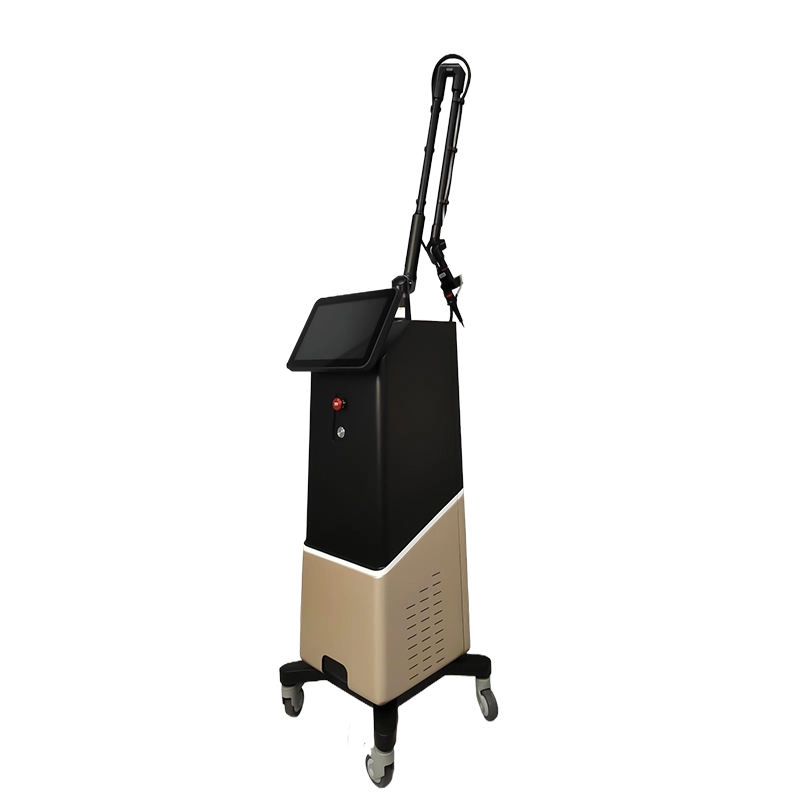
- What are the critical software and user interface features that differentiate a user-friendly and clinically versatile CO₂ fractional laser from a basic, limited model, especially for practitioners with varying experience levels?
- How does the choice of CO₂ fractional laser technology (e.g., sealed-off tube vs. flowing gas tube, RF excited vs. DC excited) directly impact the longevity, consistency of energy output, and overall cost of ownership for a busy aesthetic practice?
How to spot counterfeit CO₂ fractional laser machines?
Navigating the CO₂ Fractional Laser Market: Expert Answers for Beginners
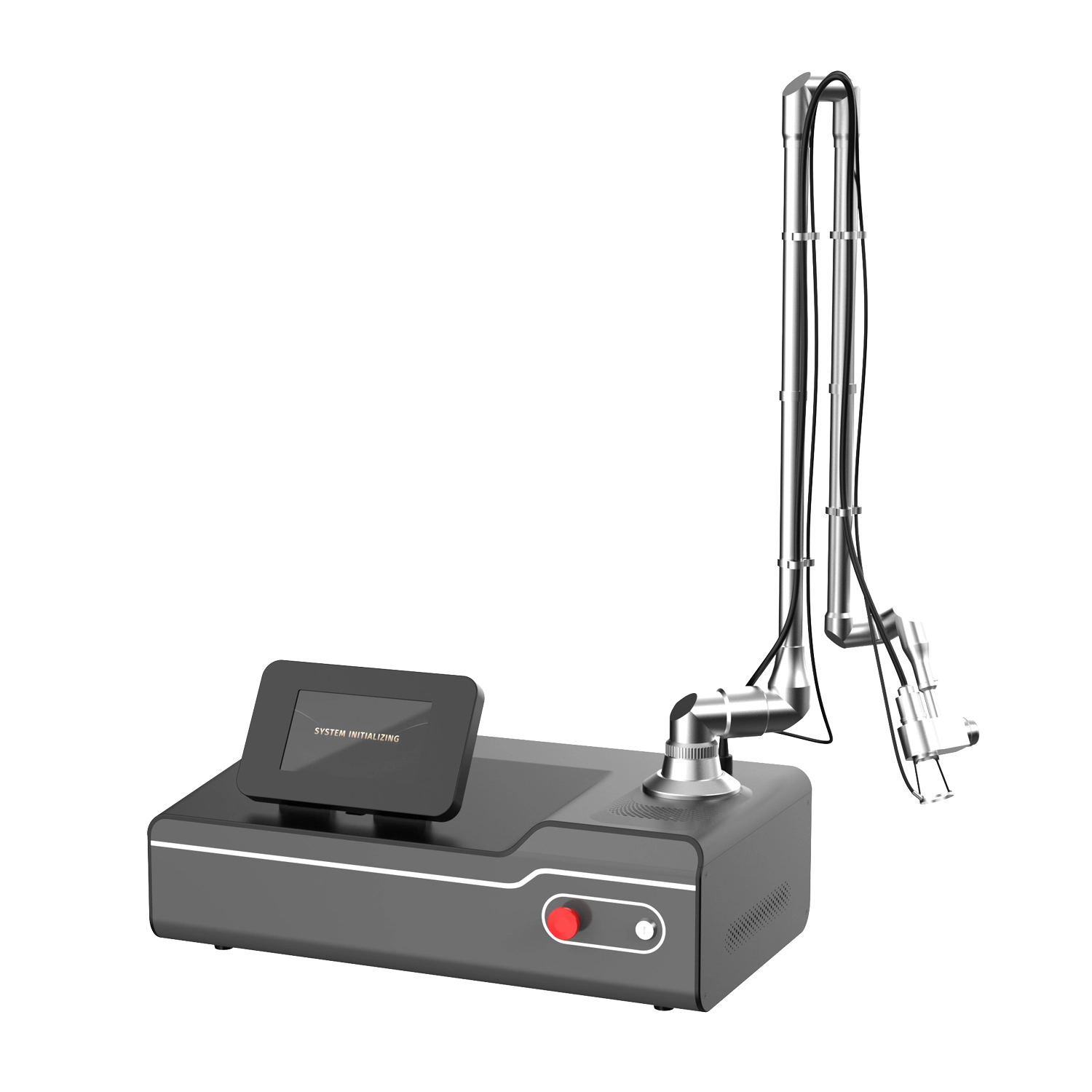
The aesthetic industry is constantly evolving, and the CO₂ fractional laser machine remains a cornerstone for effective skin rejuvenation. However, for newcomers, the market can be daunting, filled with technical jargon and a perplexing array of options. As seasoned experts in beauty machine technology, we understand the specific pain points beginners face when considering a significant investment in a CO₂ laser device. This guide addresses six frequently asked, yet often inadequately answered, questions to empower you with the knowledge to make informed decisions and confidently spot counterfeit CO₂ fractional laser machines.
How can I definitively distinguish a true fractional CO₂ laser from a non-fractional or ablative-only device marketed as fractional for skin resurfacing?
Many manufacturers use the term “fractional” loosely. A true fractional CO₂ laser operates by delivering laser energy in a micro-ablative pattern, creating thousands of microscopic treatment zones (MTZs) while leaving surrounding tissue intact. This selective photothermolysis stimulates neocollagenesis and re-epithelialization with minimal downtime. To definitively distinguish, look for specifications detailing the spot size (typically 100-300 microns), the density of MTZs per square centimeter (often adjustable from 5% to 80% coverage), and the presence of a scanning handpiece with customizable patterns (e.g., squares, circles, lines). Non-fractional or ablative-only devices will typically deliver a uniform, full-field ablation, leading to significantly longer recovery times and higher risks. Requesting clinical data demonstrating fractional healing patterns (e.g., histology showing columns of ablated tissue surrounded by healthy skin) is also a strong indicator. Be wary of machines that only offer a single, large spot size or claim fractional results without adjustable density and pattern options for skin rejuvenation.
Beyond price, what specific technical specifications should I scrutinize to understand the actual power output and treatment efficacy of a CO₂ fractional laser, especially for deep acne scars or severe photoaging?
While peak power (watts) is often highlighted, it's crucial to understand energy delivery for effective skin resurfacing. Focus on pulse energy (millijoules per pulse) and pulse duration (microseconds or milliseconds). For deep acne scars or severe photoaging, you need sufficient energy to reach the reticular dermis and induce significant collagen remodeling. A higher pulse energy allows for deeper penetration with fewer passes, while a shorter pulse duration (e.g., ultra-pulse mode) can achieve more precise ablation with less thermal damage to surrounding tissue, minimizing post-inflammatory hyperpigmentation (PIH). Also, investigate the beam quality and spot uniformity. A top-hat beam profile ensures consistent energy delivery across the treatment area, preventing hot spots or areas of insufficient treatment. Ask for specifications on the scanner's speed and precision, as this directly impacts the consistency of MTZ creation. A robust CO₂ laser system will provide detailed parameters for various indications.
When evaluating a CO₂ fractional laser, what are the often-overlooked maintenance requirements and consumable costs that significantly impact the long-term operational budget, especially for a new clinic?
Beyond the initial purchase price, the long-term operational costs of a CO₂ fractional laser can be substantial. Often overlooked are the lifespan and replacement cost of the CO₂ laser tube itself (typically 10,000-20,000 hours, but varies), which can be a significant expense. The cost of disposable tips or handpiece covers, which are crucial for hygiene and consistent beam delivery, can accumulate rapidly. Regular calibration and preventative maintenance by certified technicians are essential to ensure optimal performance and patient safety; inquire about service contract options and their associated costs. Furthermore, consider the cost of the smoke evacuator filters, which are mandatory for safe operation and require periodic replacement. Factor in the cost of distilled water for the cooling system and any proprietary software updates. A comprehensive understanding of these beauty machine consumables and service needs is vital for accurate budgeting.
How can I spot counterfeit CO₂ fractional laser machines that mimic legitimate brands, particularly when purchasing from international suppliers or online marketplaces?
The proliferation of counterfeit CO₂ fractional laser machines is a serious concern. Beyond suspiciously low prices, look for inconsistencies in branding, logos, and serial numbers. Genuine manufacturers often have specific holographic seals, unique serial number formats, and detailed user manuals in multiple languages. Request proof of international certifications (e.g., CE, FDA, ISO 13485) and verify them directly with the issuing body, not just relying on provided certificates. Counterfeit devices often use inferior components, leading to unreliable performance, safety hazards (e.g., unstable energy output, poor cooling), and a lack of clinical efficacy. Insist on a factory tour or video inspection if purchasing from an unfamiliar supplier. Check for a traceable supply chain and verify the manufacturer's official website and contact information. A reputable laser manufacturer will readily provide all necessary documentation and support.
What are the critical software and user interface features that differentiate a user-friendly and clinically versatile CO₂ fractional laser from a basic, limited model, especially for practitioners with varying experience levels?
A well-designed software interface is paramount for both safety and efficacy. Look for intuitive navigation with pre-set treatment protocols for various indications (e.g., acne scar treatment, wrinkle reduction, pigment removal), which can be customized and saved. Advanced models often feature a touch-screen interface with clear graphical representations of treatment patterns, density, and energy settings. Critical features include real-time feedback on energy delivery, an integrated patient management system, and customizable pulse modes (e.g., continuous, pulsed, ultra-pulse, fractional). For versatility, ensure the software allows for independent adjustment of spot size, pulse energy, and pulse duration, rather than just pre-set combinations. A robust system should also offer safety interlocks and error messages for incorrect parameter settings. The ability to easily upgrade software for future enhancements is also a significant advantage for a medical aesthetic device.
How does the choice of CO₂ fractional laser technology (e.g., sealed-off tube vs. flowing gas tube, RF excited vs. DC excited) directly impact the longevity, consistency of energy output, and overall cost of ownership for a busy aesthetic practice?
The type of CO₂ laser tube significantly influences performance and cost. Sealed-off CO₂ tubes (often RF-excited) are more common in modern aesthetic devices. They are compact, require less maintenance, and offer excellent beam quality and stability. RF excitation provides very precise pulse control, leading to consistent energy delivery and reduced thermal damage. Their lifespan is typically 10,000-20,000 hours, after which the tube needs replacement. Flowing gas CO₂ tubes (often DC-excited) are generally larger, require a continuous supply of gas, and have higher maintenance demands, though they can offer very high power output. While initially less expensive, their operational costs can be higher due to gas consumption and more frequent servicing. For a busy aesthetic practice, the consistency of energy output from an RF-excited, sealed-off tube is often preferred for predictable clinical outcomes and lower long-term maintenance hassle, making it a superior choice for a reliable CO₂ laser system.
Understanding these nuanced aspects of CO₂ fractional laser technology is crucial for making a sound investment. By scrutinizing specifications, understanding operational costs, and knowing how to identify counterfeits, you can ensure your practice acquires a high-quality, effective, and safe aesthetic laser machine. The advantages of a genuine, well-maintained CO₂ fractional laser include superior patient outcomes, enhanced safety, predictable treatment results, and a strong return on investment for your clinic.
Ready to elevate your aesthetic practice with a reliable CO₂ fractional laser? Contact us today for a personalized quote at coco@huimainbeauty.com or visit our website: www.huimainbeauty.com.


HMT72R
Is a 13 Tesla device safe for use?
Yes. When operated by a trained professional, the 13 Tesla device is safe. The energy is highly targeted to muscle and fat tissue, without harming surrounding nerves, blood vessels, or skin. Our machine's dynamic temperature monitoring system adds an extra layer of safety.
JLM-36
Can the 4D HIFU Facial Machine be used for body contouring?
While primarily designed for facial treatments, the machine can also be used for body areas like the abdomen or arms to achieve skin tightening.
HMT52
What kind of after-sales support do you provide for B2B partners?
We provide comprehensive B2B support, including a detailed user manual, online and video tutorials, and dedicated technical support. Our goal is to ensure your team is fully trained and confident in operating the machine to its full potential.
3 in 1 hifu 22 SMAS
How many sessions are needed?
Most clients see results after one session. Maintenance is recommended every 6–12 months.
HMT82S-2
Who is this device suitable for?
It's ideal for people looking to reduce fat, tone muscles, and shape their body. Especially effective for postpartum recovery, sedentary individuals, fitness enthusiasts, or those needing localized sculpting. Safe for most body types and skin tones.

Get more information
If you have any comments or good suggestions, please leave us a message; later our professional staff will contact you as soon as possible.
Let's Talk
Stay in touch with us for cutting-edge beauty solutions, professional guidance, and customized service.
Contact


Room 307, Building A, Huilong International E-commerce Industrial Park, No. 10 Xipengling Road, Helong Street, Baiyun District, Guangzhou, China
© 2025 HUIMAIN. All Rights Reserved. Privacy Policy | Terms and Conditions | Sitemap
Facebook
Instagram
Medical beauty equipment factory
huimain Medical beauty equipment factory
beauty machine supplier
Whatsapp: +8619124004543